Band 7 vocabulary for IELTS Speaking
- 42 words
- Band 7
- Every word and sentence read aloud




Study all 42 words
42 cards · 0 known

aptitude
/ˈæptɪtjuːd/nounC1
A natural ability or talent for doing something.
One seedling racing ahead of the rest: an aptitude is a natural talent for something.
Remember it: Aptitude contains apt, meaning naturally suitable or fitted for something.
- “He showed a real aptitude for languages from an early age.”
- “The test measures aptitude rather than acquired knowledge.”
Similar: talent, flair, knack
A Band 7 word. Try it in a phrase: “have an aptitude for”.
Tap the card or press Space to flip
The band at a glance
Band 7
42 words
Band 7
42 words
Education 7
Technology 6
Environment 3
Health & Wellbeing 6
Business & Work 5
Travel & Tourism 6
Society & Culture 6
Media & Communication 3
- noun
- adjective
- verb
- phrase or idiom
Every word
42 words
 Band 7aptitudeˈæptɪtjuːdnoun
A natural ability or talent for doing something.
One seedling racing ahead of the rest: an aptitude is a natural talent for something. A natural ability or talent for doing something.
He showed a real aptitude for languages from an early age.
The test measures aptitude rather than acquired knowledge.
Remember it
Aptitude contains apt, meaning naturally suitable or fitted for something.
Watch out
aptitude of doing somethingaptitude for doing somethingAptitude takes 'for'.
Goes with
Words that go with aptitude: natural aptitude; aptitude test; aptitude for something; have an aptitude for. Similar and opposite
- Similar
- talentflairknackgift
- Opposite
- inabilityineptitude
Word family
The aptitude family: aptitude (noun), apt (adjective), aptly (adverb).  Band 7artificial intelligenceˌɑːtɪfɪʃl ɪnˈtelɪdʒənsnoun
Computer systems able to perform tasks that normally require human intelligence.

A chip lit up like a brain: artificial intelligence is computers doing tasks that need human-like thinking. Computer systems able to perform tasks that normally require human intelligence.
Artificial intelligence now powers everyday apps.
There is heated debate about the ethics of artificial intelligence.
Goes with
Words that go with artificial intelligence: develop artificial intelligence; AI-powered; AI system; advances in artificial intelligence. Similar and opposite
- Similar
- machine intelligenceAI
- Opposite
- human intelligence
 Band 7automationˌɔːtəˈmeɪʃnnoun
The use of machines and technology to perform tasks without human control.

Robot arms working on their own: automation is machines doing a job without people. The use of machines and technology to perform tasks without human control.
Automation has transformed manufacturing.
Many fear that automation will replace routine jobs.
Remember it
Greek auto- means “self”: automation lets machines run a process by themselves.
Goes with
Words that go with automation: industrial automation; increasing automation; automation of tasks; the rise of automation. Similar and opposite
- Similar
- mechanisationcomputerisation
- Opposite
- manual labour
Word family
The automation family: automation (noun), automate (verb), automated (adjective), automatic (adjective), automatically (adverb).  Band 7biasˈbaɪəsnoun
A tendency to favour or oppose something unfairly, affecting judgement.

Two equal apples, yet the scale tips one way: bias is a tilt in judgement that unfairly favours one side. A tendency to favour or oppose something unfairly, affecting judgement.
Readers accused the paper of political bias.
Good journalism should be free of bias.
Remember it
Bias originally meant a slant or oblique direction, suggesting an unfair tilt in judgement.
Watch out
biasnessbiasThe noun is 'bias', not 'biasness'.
Goes with
Words that go with bias: media bias; political bias; show bias; unconscious bias; free from bias. Similar and opposite
- Similar
- prejudicepartialityslant
- Opposite
- impartialityobjectivityneutrality
Word family
The bias family: bias (noun), biased (adjective), unbiased (adjective).  Band 7breathtakingˈbreθteɪkɪŋadjective
Astonishingly beautiful or impressive.

A view that makes you stop and stare: breathtaking means amazingly beautiful. Astonishingly beautiful or impressive.
The view from the summit was breathtaking.
We watched a breathtaking sunset.
Watch out
breath takingbreathtakingThe adjective is normally written as one word.
Goes with
Words that go with breathtaking: breathtaking views; breathtaking scenery; absolutely breathtaking. Similar and opposite
- Similar
- stunningspectacularawe-inspiring
- Opposite
- dullunremarkable
Word family
The breathtaking family: breathtaking (adjective), breathtakingly (adverb).  Band 7broaden your horizonsˈbrɔːdn jɔː həˈraɪznzidiom
To increase the range of your knowledge, experience, or interests.

The view keeps widening: learning and travel broaden your horizons. To increase the range of your knowledge, experience, or interests.
Studying abroad really broadened my horizons.
Reading widely is a great way to broaden your horizons.
Watch out
broaden the horizonbroaden your horizonsThe established idiom normally uses plural 'horizons' and a possessive.
Goes with
Words that go with broaden your horizons: broaden your horizons; broaden your mind; broaden your horizons. Similar and opposite
- Similar
- expand your outlookwiden your experience
- Opposite
- narrow your outlook
 Band 7carbon footprintˈkɑːbən ˈfʊtprɪntnoun
The total amount of greenhouse gases produced by a person, activity, or organisation.
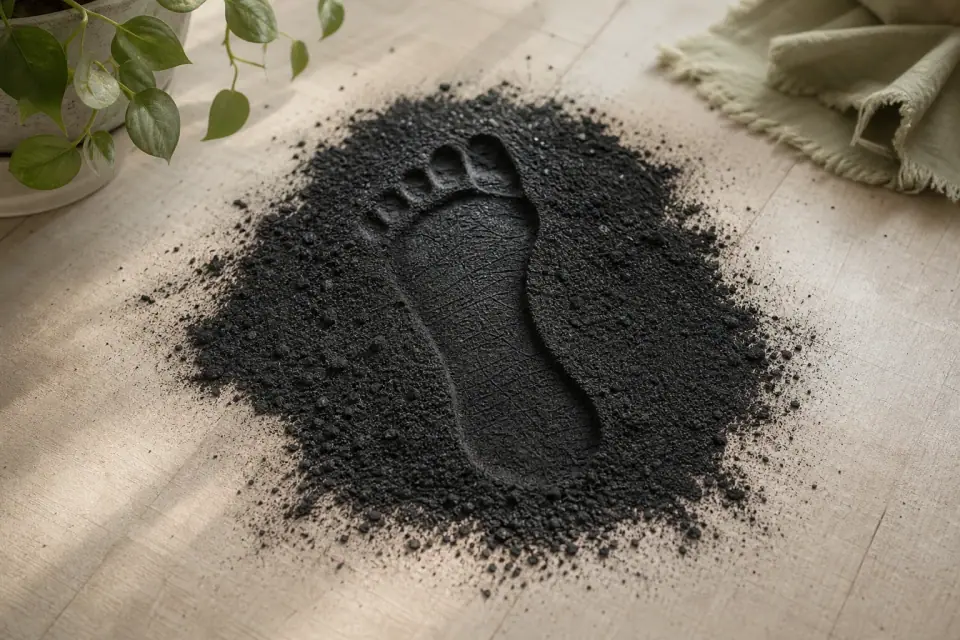
A footprint made of carbon: your carbon footprint is the greenhouse gas your life leaves behind. The total amount of greenhouse gases produced by a person, activity, or organisation.
Flying less is one way to reduce your carbon footprint.
The factory has cut its carbon footprint by half.
Watch out
make a carbon footprinthave or leave a carbon footprintThese are the usual collocations.
Goes with
Words that go with carbon footprint: reduce your carbon footprint; carbon footprint of; lower carbon footprint; shrink your carbon footprint. Similar and opposite
- Similar
- carbon emissionsenvironmental impact
 Band 7chronicˈkrɒnɪkadjective
(Of an illness or problem) persisting for a long time or constantly recurring.

Week after week of pills: a chronic illness lasts a long time or keeps coming back. (Of an illness or problem) persisting for a long time or constantly recurring.
She suffers from chronic back pain.
The region faces a chronic shortage of doctors.
Remember it
Chronic comes from Greek chronos, “time,” reminding you that chronic problems last a long time.
Watch out
chronical illnesschronic illnessThe adjective is chronic, not chronical.
Goes with
Words that go with chronic: chronic illness; chronic pain; chronic shortage; a chronic condition. Similar and opposite
- Similar
- persistentlong-termongoing
- Opposite
- acutetemporaryshort-lived
Word family
The chronic family: chronic (adjective), chronically (adverb).  Band 7close-knitˌkləʊs ˈnɪtadjective
(Of a group) bound together by strong relationships and shared interests.

Stitches knitted tightly together: a close-knit group has strong bonds. (Of a group) bound together by strong relationships and shared interests.
They come from a close-knit community.
Ours is a close-knit family.
Watch out
closeknitclose-knitRetain the hyphen when the adjective comes before a noun.
Goes with
Words that go with close-knit: close-knit community; close-knit family; close-knit team; a close-knit community. Similar and opposite
- Similar
- tight-knitcloseunited
- Opposite
- fragmenteddistant
 Band 7connectivityˌkɒnekˈtɪvətinoun
The state of being connected, especially to the internet or other devices.

Masts linking the whole city: connectivity is how well devices connect to the internet and each other. The state of being connected, especially to the internet or other devices.
Rural areas often suffer from poor connectivity.
5G promises much faster connectivity.
Goes with
Words that go with connectivity: internet connectivity; high-speed connectivity; poor connectivity; global connectivity. Similar and opposite
- Similar
- connectionaccesslinkage
- Opposite
- isolation
Word family
The connectivity family: connectivity (noun), connect (verb), connection (noun), connected (adjective).  Band 7cutting-edgeˌkʌtɪŋ ˈedʒadjective
The most advanced or innovative stage in the development of something.

The sharpest edge leads the cut: cutting-edge technology is the most advanced there is. The most advanced or innovative stage in the development of something.
The lab uses cutting-edge technology.
Their research is at the cutting edge of medicine.
Remember it
Picture the sharpest front edge of a blade: cutting-edge technology is the most advanced.
Watch out
cutting edge technologycutting-edge technologyUse a hyphen when it comes before a noun.
Goes with
Words that go with cutting-edge: cutting-edge technology; cutting-edge research; at the cutting edge; at the cutting edge of. Similar and opposite
- Similar
- state-of-the-artleading-edgeadvanced
- Opposite
- outdatedold-fashioned
 Band 7cybersecurityˈsaɪbəsɪˌkjʊərətinoun
The protection of computer systems and data from digital attacks.

A padlock on a laptop: cybersecurity protects computers and data from attack. The protection of computer systems and data from digital attacks.
Companies are investing heavily in cybersecurity.
A cybersecurity breach can cost millions.
Goes with
Words that go with cybersecurity: cybersecurity threat; invest in cybersecurity; cybersecurity breach; a cybersecurity attack. Similar and opposite
- Similar
- data protectioninformation security
 Band 7deforestationˌdiːfɒrɪˈsteɪʃnnoun
The clearing or removal of forests, usually for farming or development.

Stumps where the forest stood: deforestation is clearing forests, usually for farms or building. The clearing or removal of forests, usually for farming or development.
Deforestation threatens countless species.
Illegal logging is a major cause of deforestation.
Watch out
deforestation of forestsdeforestationDeforestation already means the removal of forests.
Goes with
Words that go with deforestation: large-scale deforestation; cause deforestation; combat deforestation; the rate of deforestation. Similar and opposite
- Similar
- clearinglogging
- Opposite
- reforestationafforestation
Word family
The deforestation family: deforestation (noun), deforest (verb), forest (noun).  Band 7emissionsɪˈmɪʃnznoun
Gases or substances released into the atmosphere, especially those that cause pollution.

Smoke sent out into the air: emissions are gases released into the atmosphere. Gases or substances released into the atmosphere, especially those that cause pollution.
Governments have pledged to cut carbon emissions.
Electric cars produce no exhaust emissions.
Remember it
Emissions are substances “sent out”; the word comes from Latin roots meaning “to send out.”
Watch out
carbon emissioncarbon emissionsWhen referring generally to gases released, the plural is usually used.
Goes with
Words that go with emissions: carbon emissions; reduce emissions; greenhouse gas emissions; net-zero emissions; cut emissions. Similar and opposite
- Similar
- dischargereleaseoutput
Word family
The emissions family: emissions (noun), emit (verb), emission (noun).  Band 7epidemicˌepɪˈdemɪknoun
A widespread occurrence of a disease, or a rapid rise in something harmful.

Beds made ready all down the corridor: an epidemic is a disease spreading fast to many people. A widespread occurrence of a disease, or a rapid rise in something harmful.
The country is battling a flu epidemic.
Some experts describe obesity as an epidemic.
Remember it
Epidemic combines Greek epi, “upon,” with demos, “people”: a disease spreading among people.
Goes with
Words that go with epidemic: flu epidemic; obesity epidemic; contain an epidemic; reach epidemic proportions. Similar and opposite
- Similar
- outbreakplague
Word family
The epidemic family: epidemic (noun), epidemiology (noun), epidemiologist (noun), epidemiological (adjective).  Band 7excursionɪkˈskɜːʃnnoun
A short trip made for pleasure, usually returning the same day.

Packed for a day out and back: an excursion is a short trip for pleasure. A short trip made for pleasure, usually returning the same day.
We went on a day excursion to the islands.
The hotel arranges guided excursions.
Remember it
From Latin excurrere, “run out,” an excursion is a short trip out, usually returning the same day.
Goes with
Words that go with excursion: go on an excursion; guided excursion; day excursion; a day excursion. Similar and opposite
- Similar
- outingday tripjaunt
 Band 7expeditionˌekspəˈdɪʃnnoun
An organised journey undertaken for a specific purpose, such as exploration.

Kit packed for a serious journey: an expedition is an organised trip with a purpose. An organised journey undertaken for a specific purpose, such as exploration.
They joined an expedition to the Arctic.
The scientific expedition lasted six months.
Goes with
Words that go with expedition: mount an expedition; scientific expedition; join an expedition; set off on an expedition. Similar and opposite
- Similar
- journeyvoyagetrek
 Band 7flexible workingˈfleksəbl ˈwɜːkɪŋnoun
Working arrangements that give employees choice over hours or location.

Working from the garden, at your own hours: flexible working gives choice over when and where. Working arrangements that give employees choice over hours or location.
Flexible working has become the norm for many.
The company introduced flexible working after the pandemic.
Goes with
Words that go with flexible working: offer flexible working; flexible working arrangements; a flexible working policy. Similar and opposite
- Similar
- flexitimeremote working
- Opposite
- fixed hours
 Band 7hospitalityˌhɒspɪˈtælətinoun
Friendly and generous treatment of guests; also the industry that serves travellers.

Tea and biscuits waiting for guests: hospitality is a warm welcome, and the industry that gives it. Friendly and generous treatment of guests; also the industry that serves travellers.
We were touched by their warm hospitality.
She works in the hospitality industry.
Remember it
Hospitality comes from Latin hospes, meaning “host” or “guest,” linking it to welcoming visitors.
Goes with
Words that go with hospitality: warm hospitality; hospitality industry; show hospitality; extend hospitality to. Similar and opposite
- Similar
- welcomefriendlinessgenerosity
- Opposite
- hostilityinhospitality
Word family
The hospitality family: hospitality (noun), hospitable (adjective).  Band 7immunityɪˈmjuːnətinoun
The body's ability to resist a particular infection or toxin.

The rain cannot get through: immunity is your body's ability to resist infection. The body's ability to resist a particular infection or toxin.
Vaccines build immunity against disease.
A healthy diet can strengthen your immunity.
Remember it
Immunity comes from Latin immunis, meaning “exempt” or protected from a duty or burden.
Watch out
immunity of a diseaseimmunity to a diseaseUse to after immunity.
Goes with
Words that go with immunity: build immunity; boost immunity; natural immunity; immunity to disease. Similar and opposite
- Similar
- resistanceprotection
- Opposite
- susceptibilityvulnerability
Word family
The immunity family: immunity (noun), immune (adjective), immunise (verb), immunisation (noun).  Band 7in moderationɪn ˌmɒdəˈreɪʃnphrase
In amounts that are not excessive; within sensible limits.

One square, not the whole bar: in moderation means in sensible amounts. In amounts that are not excessive; within sensible limits.
Most things are fine in moderation.
Doctors say sugar is acceptable in moderation.
Remember it
Moderation comes from Latin modus, “measure,” suggesting an amount kept within sensible limits.
Watch out
in a moderationin moderationThe phrase does not take an article.
Goes with
Words that go with in moderation: everything in moderation; drink in moderation; in moderation. Similar and opposite
- Similar
- sparinglywithin limits
- Opposite
- to excessexcessively
 Band 7incentiveɪnˈsentɪvnoun
Something that motivates or encourages someone to do something.

A prize waiting at the finish: an incentive is something that makes you want to act. Something that motivates or encourages someone to do something.
Bonuses act as an incentive to work harder.
There is little incentive to change.
Watch out
an incentive for do somethingan incentive to do somethingUse to before a verb.
Goes with
Words that go with incentive: financial incentive; provide an incentive; incentive to; an incentive to do something. Similar and opposite
- Similar
- motivationencouragementinducement
- Opposite
- deterrentdisincentive
Word family
The incentive family: incentive (noun), incentivise (verb).  Band 7inequalityˌɪnɪˈkwɒlətinoun
An unfair difference between groups of people in status, wealth, or opportunity.

One plate full, one nearly empty: inequality is an unfair difference between groups. An unfair difference between groups of people in status, wealth, or opportunity.
The gap has widened social inequality.
Education can help reduce inequality.
Watch out
inequality among two groupsinequality between two groupsUse 'between' for two groups.
Goes with
Words that go with inequality: social inequality; income inequality; gender inequality; tackle inequality; a widening inequality. Similar and opposite
- Similar
- disparityimbalanceunfairness
- Opposite
- equalityparity
Word family
The inequality family: inequality (noun), unequal (adjective), equality (noun), equal (adjective).  Band 7influentialˌɪnfluˈenʃladjective
Having a great effect on someone or something.

One stone, ripples everywhere: influential means having a big effect on others. Having a great effect on someone or something.
She is one of the most influential voices in journalism.
The report was highly influential in shaping policy.
Remember it
Influential comes from Latin roots meaning “flow into,” suggesting an effect flowing into someone’s thinking or actions.
Watch out
influential toinfluential in/onUse 'influential in' an area or 'influential on' someone.
Goes with
Words that go with influential: highly influential; influential figure; influential role; an influential voice. Similar and opposite
- Similar
- powerfulimportantauthoritative
- Opposite
- insignificantpowerless
Word family
The influential family: influential (adjective), influence (noun, verb).  Band 7integrationˌɪntɪˈɡreɪʃnnoun
The process of combining people or groups into a unified society or system.
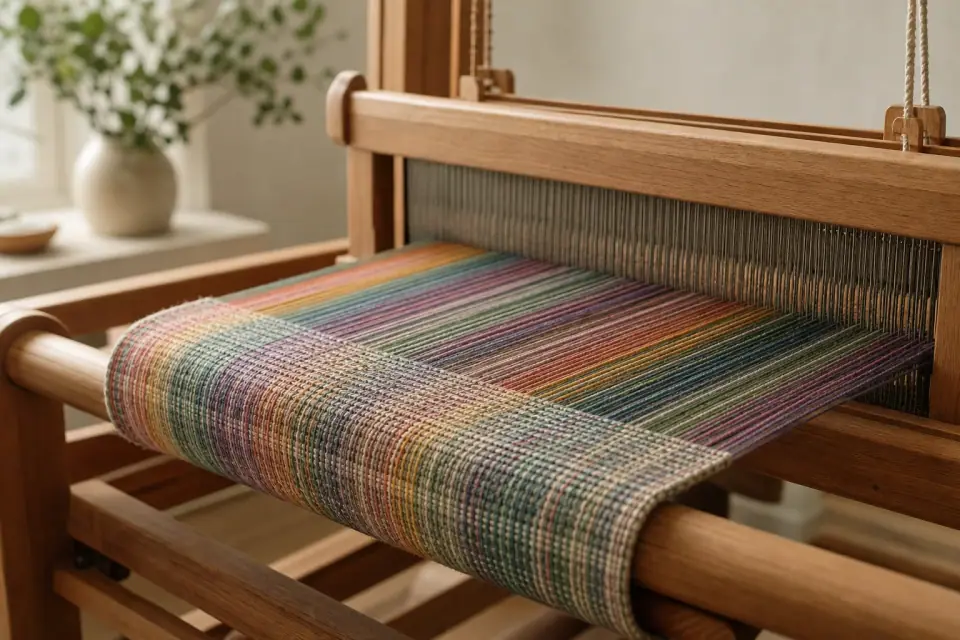
Separate threads woven into one cloth: integration brings different groups together as one. The process of combining people or groups into a unified society or system.
Language classes support the integration of newcomers.
Social integration takes time and effort.
Remember it
Integration comes from Latin roots meaning “make whole,” linking it to combining separate parts into one.
Watch out
integration into the societyintegration into societyNo article is normally used with society in this general sense.
Goes with
Words that go with integration: social integration; economic integration; promote integration; the integration of communities. Similar and opposite
- Similar
- assimilationincorporationunification
- Opposite
- segregationexclusion
Word family
The integration family: integration (noun), integrate (verb), integrated (adjective).  Band 7intellectualˌɪntəˈlektʃuəladjective
Relating to the ability to think and understand ideas at a high level.

A room built for ideas: intellectual means to do with thinking and understanding at a high level. Relating to the ability to think and understand ideas at a high level.
University should offer genuine intellectual challenge.
Reading widely stimulates intellectual curiosity.
Goes with
Words that go with intellectual: intellectual curiosity; intellectual challenge; intellectual property; intellectually demanding. Similar and opposite
- Similar
- cerebralacademicscholarly
- Opposite
- unintellectual
Word family
The intellectual family: intellectual (adjective), intellect (noun), intellectually (adverb).  Band 7itineraryaɪˈtɪnərərinoun
A planned route or schedule for a journey.

Pins and thread marking each stop: an itinerary is the planned route of a journey. A planned route or schedule for a journey.
Our itinerary includes three cities in five days.
She drew up a detailed itinerary for the trip.
Remember it
From Latin iter, “journey,” an itinerary is a planned route or schedule for travelling.
Goes with
Words that go with itinerary: detailed itinerary; travel itinerary; plan an itinerary; a packed itinerary. Similar and opposite
- Similar
- scheduletravel planroute
 Band 7normnɔːmnoun
A standard or pattern of behaviour that is typical or expected in a society.

Everything the same, the expected way: a norm is the usual way of behaving in a society. A standard or pattern of behaviour that is typical or expected in a society.
Working from home has become the norm.
Social norms vary from culture to culture.
Remember it
Norm comes from Latin norma, meaning a rule or standard.
Goes with
Words that go with norm: social norms; cultural norms; become the norm; the norm rather than the exception. Similar and opposite
- Similar
- standardconventionrule
- Opposite
- exceptionanomaly
Word family
The norm family: norm (noun), normal (adjective), normally (adverb), normality (noun), normalise (verb).  Band 7prejudiceˈpredʒədɪsnoun
An unfair opinion about someone formed without reason or knowledge.

The verdict before the book is opened: prejudice is judging before you know the facts. An unfair opinion about someone formed without reason or knowledge.
Education can help break down prejudice.
She faced prejudice because of her accent.
Remember it
Prejudice comes from Latin roots meaning “judge beforehand,” before knowing the facts.
Watch out
prejudice towards someoneprejudice against someoneUsually used with 'against' when describing unfair treatment.
Goes with
Words that go with prejudice: racial prejudice; overcome prejudice; deep-seated prejudice; without prejudice. Similar and opposite
- Similar
- biasbigotryintolerance
- Opposite
- toleranceopen-mindedness
Word family
The prejudice family: prejudice (noun, verb), prejudiced (adjective), prejudicial (adjective).  Band 7productivityˌprɒdʌkˈtɪvətinoun
The rate at which goods or work are produced, relative to time or effort.

A steady stream of finished work: productivity is how much is produced for the time and effort. The rate at which goods or work are produced, relative to time or effort.
Automation has boosted productivity.
Long hours don't always increase productivity.
Goes with
Words that go with productivity: boost productivity; increase productivity; productivity levels; improve productivity. Similar and opposite
- Similar
- outputefficiencyyield
- Opposite
- inefficiency
Word family
The productivity family: productivity (noun), productive (adjective), productively (adverb), produce (verb), product (noun).  Band 7proficientprəˈfɪʃntadjective
Competent or skilled in doing or using something.

Perfectly even slices: a proficient cook has the skill to do it well. Competent or skilled in doing or using something.
She is proficient in three languages.
Employers expect graduates to be proficient with common software.
Remember it
From Latin proficere, “to advance,” proficient people have advanced skill in something.
Watch out
proficient at Englishproficient in EnglishFor a language or subject, use 'in'.
Goes with
Words that go with proficient: proficient in; highly proficient; become proficient; reach a proficient level. Similar and opposite
- Similar
- skilledadeptcompetentaccomplished
- Opposite
- incompetentineptunskilled
Word family
The proficient family: proficient (adjective), proficiency (noun), proficiently (adverb).  Band 7recessionrɪˈseʃnnoun
A period of temporary economic decline with reduced trade and activity.

Shutters down all along the street: a recession is a time when the economy shrinks. A period of temporary economic decline with reduced trade and activity.
The economy slipped into recession.
Many small firms closed during the recession.
Remember it
From Latin recedere, “to withdraw,” recession describes an economy pulling back or declining.
Goes with
Words that go with recession: economic recession; slide into recession; global recession; in the grip of a recession. Similar and opposite
- Similar
- downturnslumpdepression
- Opposite
- boomrecoveryupturn
Word family
The recession family: recession (noun), recessionary (adjective).  Band 7revenueˈrevənjuːnoun
The income that a business receives from its normal activities.

The day's takings in the till: revenue is the money a business brings in. The income that a business receives from its normal activities.
Advertising is their main source of revenue.
The company's revenue grew by 20%.
Goes with
Words that go with revenue: generate revenue; revenue stream; annual revenue; a source of revenue. Similar and opposite
- Similar
- incomeearningstakings
- Opposite
- expenditureoutgoings
 Band 7revolutioniseˌrevəˈluːʃənaɪzverb
To change something completely and fundamentally, usually for the better.

From petrol can to plug: to revolutionise something is to change it completely. To change something completely and fundamentally, usually for the better.
The internet has revolutionised the way we communicate.
AI could revolutionise healthcare.
Goes with
Words that go with revolutionise: revolutionise an industry; completely revolutionise; revolutionise the way we…. Similar and opposite
- Similar
- transformoverhaulreinvent
- Opposite
- preservemaintain
Word family
The revolutionise family: revolutionise (verb), revolution (noun), revolutionary (adjective).  Band 7rote learningˌrəʊt ˈlɜːnɪŋnoun
Memorising information through repetition rather than by understanding it.

The same card, the same beat, again and again: rote learning is memorising by repetition, not understanding. Memorising information through repetition rather than by understanding it.
Critics argue that rote learning does little to develop critical thinking.
Too much of the exam relied on rote learning of dates and formulas.
Remember it
A 'rote' is a fixed route you repeat over and over, same path, no thinking.
Goes with
Words that go with rote learning: rely on rote learning; rote memorisation; rote-learn facts; learn something by rote. Similar and opposite
- Similar
- memorisationlearning by heartmechanical learning
- Opposite
- active learninglearning through understanding
 Band 7under the weatherˌʌndə ðə ˈweðəidiom
Slightly unwell.

Grey skies, hot lemon, tissues: feeling under the weather means feeling a little ill. Slightly unwell.
I'm feeling a bit under the weather today.
He's been under the weather all week.
Watch out
under weatherunder the weatherThe idiom requires the.
Goes with
Words that go with under the weather: feel under the weather; under the weather. Similar and opposite
- Similar
- unwellpoorlyoff-colour
- Opposite
- in good healthfit as a fiddle
 Band 7unwindˌʌnˈwaɪndverb
To relax after a period of work or tension.

A hammock at the end of the day: to unwind is to relax after work or stress. To relax after a period of work or tension.
A holiday is the perfect chance to unwind.
He unwinds by walking on the beach.
Watch out
unwindedunwoundThe past form is irregular.
Goes with
Words that go with unwind: unwind after work; a chance to unwind; unwind and relax. Similar and opposite
- Similar
- relaxde-stresswind down
- Opposite
- tense up
 Band 7viralˈvaɪrəladjective
(Of content) spreading very quickly and widely online.

One push, then it spreads in every direction: viral content spreads fast online. (Of content) spreading very quickly and widely online.
The clip went viral overnight.
Brands dream of creating viral content.
Watch out
a virala viral post/videoViral is normally an adjective, not a noun for online content.
Goes with
Words that go with viral: go viral; viral video; viral content; go viral. Similar and opposite
- Similar
- widely sharedtrending
- Opposite
- unnoticed
Word family
The viral family: viral (adjective), virus (noun).  Band 7vocationalvəʊˈkeɪʃənladjective
Relating to training that prepares people for a specific trade or occupation.

The tools of one trade: vocational training prepares you for a particular job. Relating to training that prepares people for a specific trade or occupation.
Vocational courses give students practical, job-ready skills.
There is growing demand for vocational training in the trades.
Remember it
From Latin vocare, “to call,” vocational training prepares you for your calling or occupation.
Goes with
Words that go with vocational: vocational training; vocational qualification; vocational course; a vocational route into work. Similar and opposite
- Similar
- occupationalcareer-focusedpractical
- Opposite
- academictheoretical
Word family
The vocational family: vocational (adjective), vocation (noun), vocationally (adverb).  Band 7walk of lifeˌwɔːk əv ˈlaɪfidiom
A person's occupation or position within society.

Shoes from different jobs: your walk of life is your job or place in society. A person's occupation or position within society.
The club welcomes people from all walks of life.
You meet every walk of life in this job.
Watch out
people from every walks of lifepeople from every walk of life'every' is followed by a singular noun.
Goes with
Words that go with walk of life: all walks of life; every walk of life; people from all walks of life. Similar and opposite
- Similar
- backgroundsocial class
 Band 7well-roundedˌwel ˈraʊndɪdadjective
Having a broad range of knowledge, skills, or experience.

Books, art, sport and music together: a well-rounded person has a broad mix of skills. Having a broad range of knowledge, skills, or experience.
Extracurricular activities help produce well-rounded students.
Employers value a well-rounded candidate.
Goes with
Words that go with well-rounded: well-rounded education; well-rounded individual; a well-rounded person. Similar and opposite
- Similar
- all-roundversatilebalanced
- Opposite
- one-dimensionalnarrow
 Band 7wellbeingˌwelˈbiːɪŋnoun
The state of being comfortable, healthy, and happy.

Calm, light and good habits: wellbeing is feeling healthy, comfortable and happy. The state of being comfortable, healthy, and happy.
Employers are paying more attention to staff wellbeing.
Exercise improves both physical and mental wellbeing.
Goes with
Words that go with wellbeing: mental wellbeing; sense of wellbeing; promote wellbeing; a sense of wellbeing. Similar and opposite
- Similar
- welfarewellnesshealth
- Opposite
- distressill health